CASE FILE
The Congo Crisis: How Covert Action Became U.S. Policy
Newly examined U.S. records show a sustained effort to shape Congo's political succession after independence, moving from political influence and parliamentary maneuvering toward support for anti-Lumumba forces and later covert programs. The record documents intervention. It does not reduce the Congo crisis to a single foreign cause.
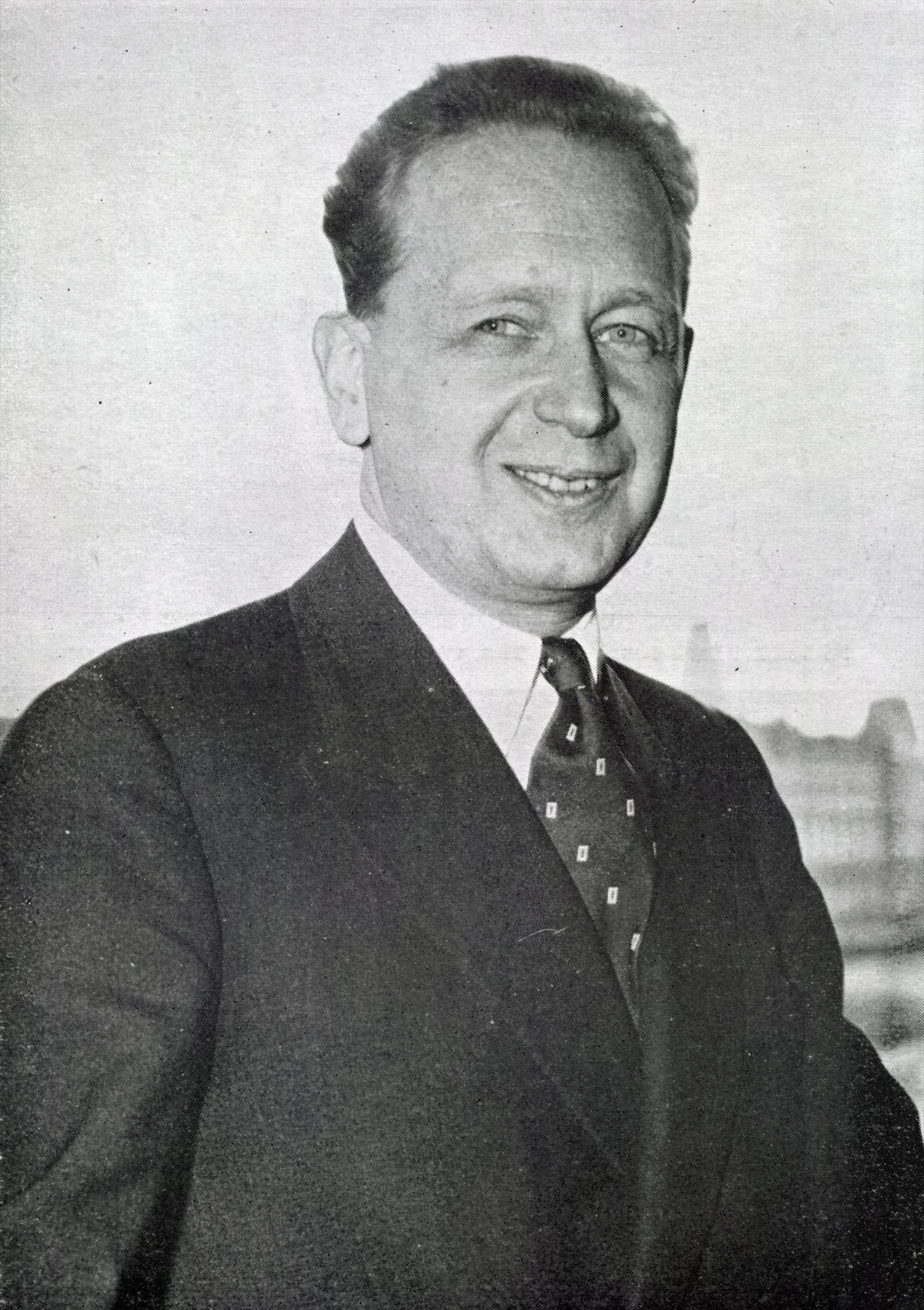
THE RECORD
The Congo became independent from Belgium on 30 June 1960. Within weeks, the new state was facing a military mutiny, Belgian intervention, the secession of Katanga, competing political claims in Leopoldville and growing international pressure. The United States did not create those underlying fractures. The declassified record does show that Washington quickly treated the political direction of the new Congo as a Cold War problem and began trying to influence the outcome.
Before independence, CIA officers were already seeking relationships with Congolese political figures and looking for ways to establish covert influence. A CIA historical account later released through the State Department record says the agency sought contacts with prospective leaders and encouraged a moderate coalition that rejected separatism. citeturn0search5turn0search10
After independence, the effort became more direct. A June 1961 memorandum to the Special Group described a covert political program intended to strengthen the central government by helping selected politicians obtain a parliamentary majority and preventing Lumumba and his allies from returning to power through legal means. The memorandum records that the program had been developed at CIA request. citeturn0search7
THE LUMUMBA PROBLEM
By August 1960, the language inside U.S. intelligence records had become substantially more severe. In a 27 August CIA telegram, Washington stated that Lumumba's continued tenure was viewed as potentially leading to chaos or a Communist takeover and declared his removal an urgent and prime objective of covert action. The cable also expanded the station's authority to pursue more aggressive covert measures. citeturn0search0
Separate records show that assassination was considered. A later declassified compilation of U.S. investigations identifies a Congo section covering assassination planning, including CIA discussions about the feasibility of killing Lumumba and instructions concerning an operation. The existence of planning is documented. It should not be confused with proof that the CIA directly carried out Lumumba's killing. citeturn0search50turn0search49
THE POLITICAL BATTLE
The CIA was not merely collecting intelligence. Its records describe attempts to shape parliamentary outcomes, support political opponents and encourage an alternative government. A September 1960 operational account described efforts to organize a no-confidence vote against Lumumba, use radio and demonstrations to support the move and cultivate alternative political figures. citeturn0search10
By October, CIA reporting described Joseph Mobutu as a crucial military counterweight and recorded concern that his withdrawal from the political struggle could allow Lumumba to regain power. Another memorandum proposed strengthening Mobutu's position and using funds to obtain parliamentary support. citeturn0search9turn0search12
THE WAR CONTINUED
The Congo crisis did not end with Lumumba's removal. U.S. covert programs continued under different political circumstances. A 1964 CIA paper stated that covert funding had helped keep Cyrille Adoula's government in power and described further political work. Later planning included covert assistance to counter insurgencies and, in some cases, financing for mercenaries. citeturn0search2turn0search4
WHAT THE DOCUMENTS ESTABLISH
The documentary record establishes sustained U.S. covert involvement in Congolese political affairs. It establishes an explicit objective of removing Lumumba from office, political operations designed to prevent his return, support for Mobutu and later covert assistance to successive governments and anti-rebel efforts. citeturn0search0turn0search9turn0search2
WHAT REMAINS DISPUTED
The documents do not establish that U.S. policy alone caused the Congo crisis, the Katanga secession or the later wars. Belgian interests, Congolese political competition, military fragmentation, regional conflict, the United Nations intervention and Soviet involvement all formed part of the wider crisis. Nor does the documentary record support collapsing the complicated history of Lumumba's death into a simple claim that the CIA assassinated him. The strongest conclusion is narrower and better supported: U.S. officials considered Lumumba a strategic threat, pursued his political removal through covert action and contemplated assassination, while the broader crisis developed through multiple interacting forces.
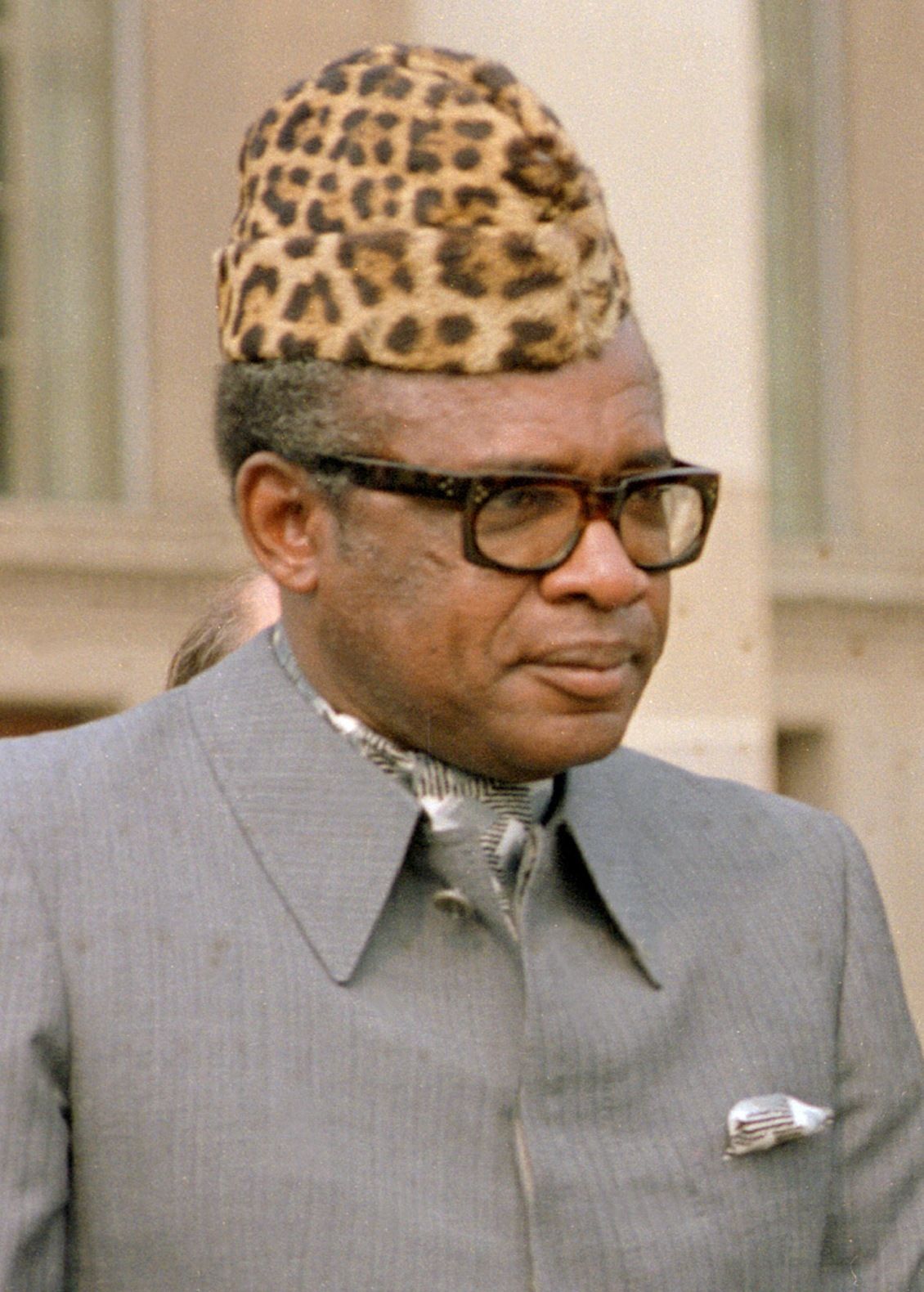
WHY THIS MATTERS
The Congo file is important because it shows how quickly decolonization became an arena for covert political engineering. The records are most revealing when read as a sequence rather than as isolated quotations: relationship-building before independence, political intervention after independence, an explicit removal objective, support for alternative political structures, and continuing covert action after Lumumba's fall.
Declassified will continue this case as new records are located. The next stage is to map the Congolese, Belgian, United Nations, Soviet and American documentary trails against the same chronology.
Timeline
1960-06-30
Congo becomes independent
The Republic of the Congo becomes independent from Belgium.
1960-08-27
CIA calls Lumumba's removal an urgent objective
A CIA cable directs the station to prioritize covert action against Lumumba.
1960-09-05
Kasavubu moves against Lumumba
The political struggle escalates after President Kasavubu attempts to remove Lumumba.
1960-09-14
Mobutu seizes power
Colonel Joseph Mobutu intervenes in the political crisis and establishes military control.
1961-01-17
Lumumba is killed
Lumumba is transferred to Katanga and killed. The circumstances and responsibility remain the subject of extensive historical investigation.
1961-06-05
U.S. covert political program documented
A Special Group memorandum records a covert effort to strengthen the central government and prevent a Lumumba-aligned return.
Primary sources
Telegram From the Central Intelligence Agency to the Station in the Congo, August 27, 1960
U.S. Department of State, Office of the Historian
CIA cable describing Lumumba's removal as an urgent objective of covert action.
Memorandum for the Special Group: Covert Action in the Congo, June 5, 1961
U.S. Department of State, Office of the Historian
Record of a covert political program intended to strengthen the central government.
Paper Prepared in the CIA: Covert Action in the Congo, May 18, 1964
U.S. Department of State, Office of the Historian
CIA summary of continuing covert support for Cyrille Adoula's government.