CASE FILE
The Gulf of Tonkin: What the Signals Intelligence Record Changed
The August 1964 Gulf of Tonkin incidents helped create the political conditions for a major expansion of the Vietnam War. Declassified NSA records later complicated the official account, especially concerning the reported second attack on 4 August.
THE RECORD
The Gulf of Tonkin story is often reduced to a simple question: did an attack happen? The documentary record is more useful when the question is divided into two incidents, the evidence available at the time, and what later signals intelligence revealed.
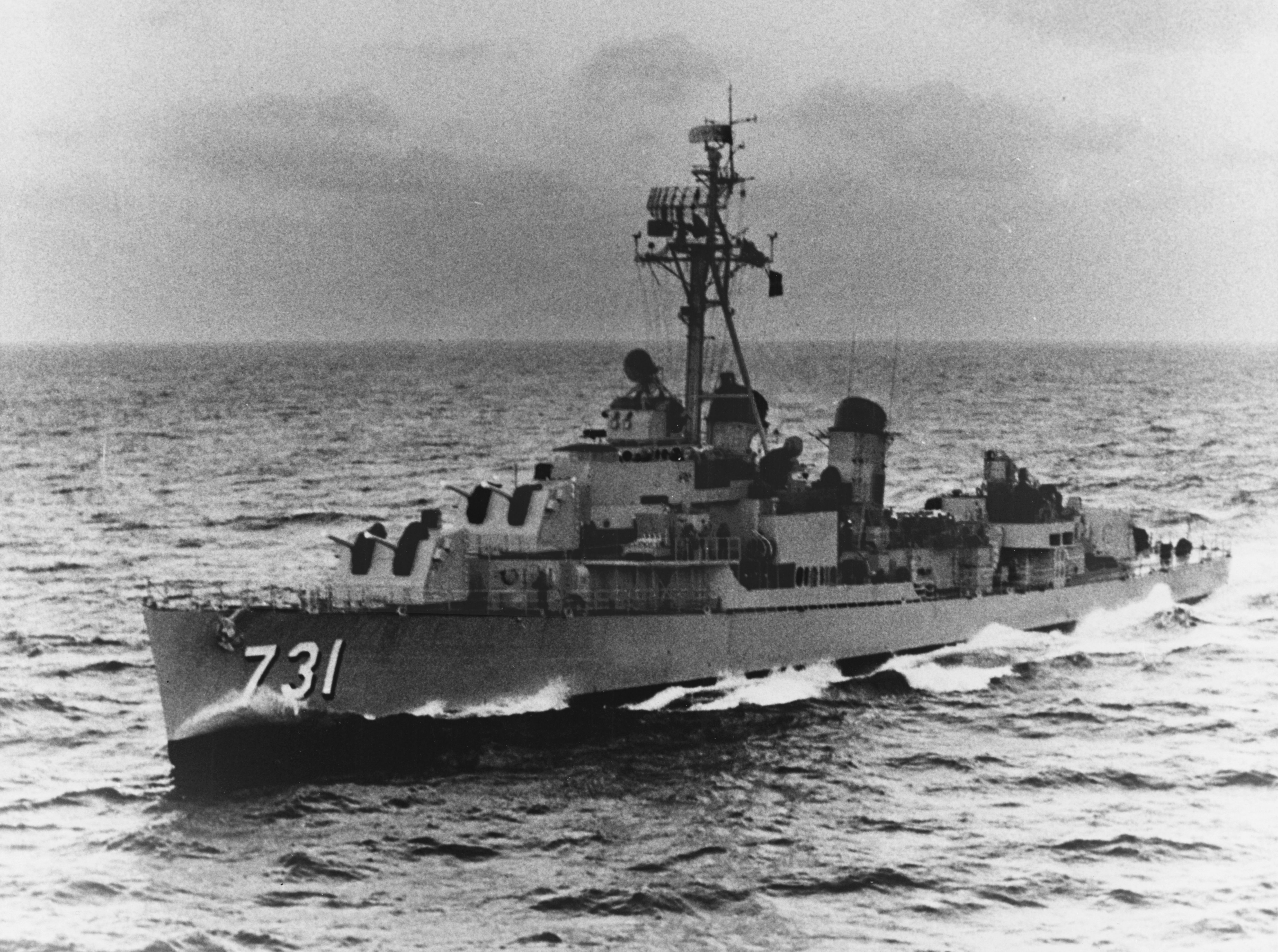
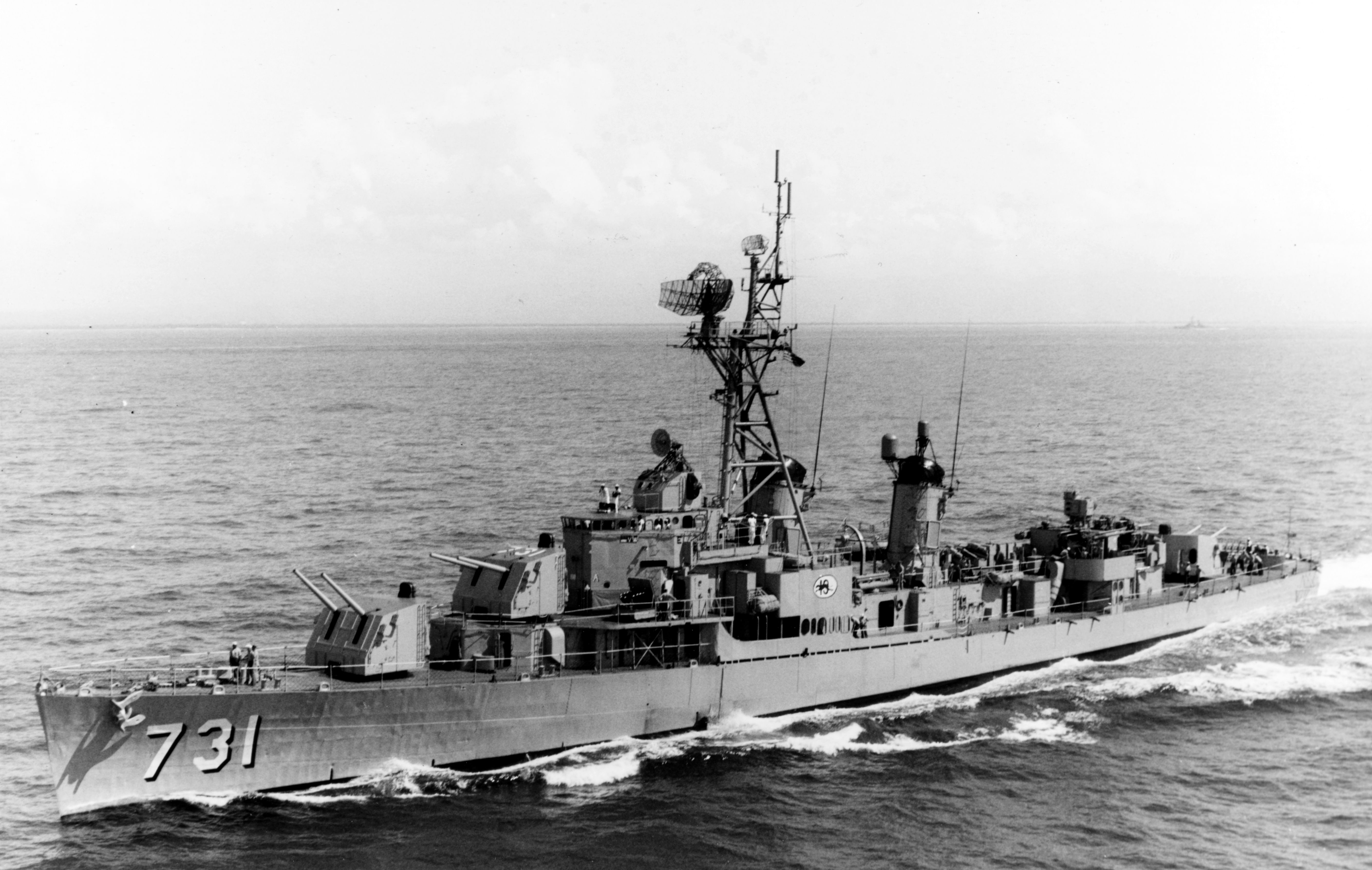
On 2 August 1964, USS Maddox encountered North Vietnamese patrol boats during a DeSoto intelligence patrol. U.S. records show the patrol was designed to collect information about North Vietnam's coastal defenses. A Joint Chiefs message that day instructed the patrol to remain at least 11 miles from the mainland and to avoid close approaches while maritime operations associated with OPLAN 34A were underway.
Two days later, the Maddox and USS Turner Joy reported another attack. The evidence arriving in Washington was confused. A September memorandum for the record stated that the reporting was cautious and that the evidence of an actual hostile attack on 4 August was thin to non-existent.
THE INTELLIGENCE PROBLEM
Signals intelligence played a central role in how the second incident was understood. NSA's later historical release describes how the agency initially maintained that the 4 August attack occurred, relying on a limited set of SIGINT reporting. A subsequent review located a much larger body of material, including 122 relevant SIGINT products, watch-center notes, interviews and communications among intelligence and military commands.
The later NSA account concluded that this broader body of evidence dramatically changed the reconstruction of the night of 4 August. That is important because intelligence does not simply record events. In a crisis, selected intelligence can become the evidence through which decision-makers understand an event.
THE POLICY CONTEXT
The intelligence controversy cannot be separated from the operational setting. DeSoto patrols were intelligence missions, while OPLAN 34A involved South Vietnamese maritime operations against North Vietnamese coastal targets. Declassified records show that North Vietnamese forces were responding to this wider pattern of activity.
The distinction matters. The August incidents occurred inside an escalating military environment, not in isolation. The documentary record therefore supports a more precise reconstruction than the familiar image of an unprovoked attack followed by a straightforward U.S. response.
WHAT THE RECORD ESTABLISHES
The 2 August encounter is documented. U.S. officials received reports of a second attack on 4 August and acted on them. The documentary record also establishes that senior officials were operating with uncertainty while decisions were being made.
WHAT LATER RELEASES CHANGED
NSA's later release substantially weakened the evidentiary basis for treating the 4 August event as an unambiguous second attack. Its historical study explains that the agency's earlier official account had been built from a surprisingly small subset of available SIGINT and that the wider record changed the reconstruction.
WHY THIS MATTERS
The Gulf of Tonkin case is one of the clearest examples of why intelligence archives matter to historical reporting. The central question is not simply whether intelligence was wrong. It is how incomplete reporting, operational context, institutional assumptions and political urgency combined to turn uncertain information into a foundation for major policy decisions.
Timeline
1964-08-02
Maddox reports an encounter
USS Maddox encounters North Vietnamese patrol boats during a DeSoto patrol.
1964-08-04
Second attack reported
Maddox and Turner Joy report a second attack amid conflicting and uncertain reports.
1964-08-05
U.S. retaliatory strikes
The United States launches retaliatory air strikes against North Vietnamese targets.
2005-11-30
NSA releases historical records
NSA begins releasing previously classified Gulf of Tonkin material.
Primary sources
Gulf of Tonkin Historical Release
National Security Agency
NSA collection of declassified SIGINT reports, chronologies, interviews and related memoranda.
The Gulf of Tonkin Incident, September 18, 1964
U.S. Department of State, Office of the Historian
Memorandum noting that evidence of an actual second attack was thin to non-existent.
Spartans in Darkness
National Security Agency
NSA cryptologic history reconstructing the SIGINT record of the Tonkin incidents.