CASE FILE
The Directive: How Washington Decided Lumumba Had to Go
In August 1960, less than two months after the Congo's independence, the CIA's director cabled instructions that would set in motion one of the most consequential covert operations of the Cold War in Africa.
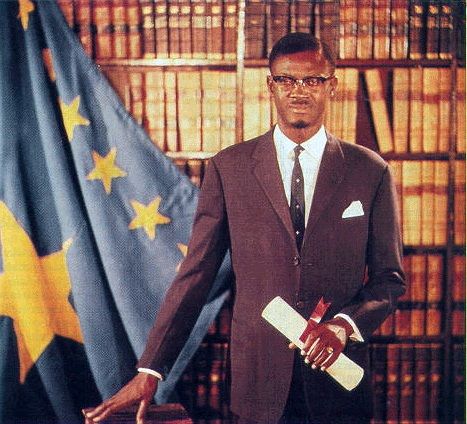
On June 30, 1960, the Congo became independent, and Patrice Lumumba — a nationalist who had built the only political party in parliament with support spanning the country's ethnic and regional divides, rather than being confined to a single faction — took office as its first prime minister. Within weeks, Washington had concluded he was a problem to be solved.
The documentary record leaves little ambiguity about how directly. On August 27, 1960, CIA Director Allen Dulles sent a cable to the agency's station chief in Léopoldville. Officials in "high quarters," the cable stated, agreed that removing Lumumba from power "must be an urgent and prime objective." The phrase was not diplomatic hedging — it was an instruction, and it came from the head of the agency.
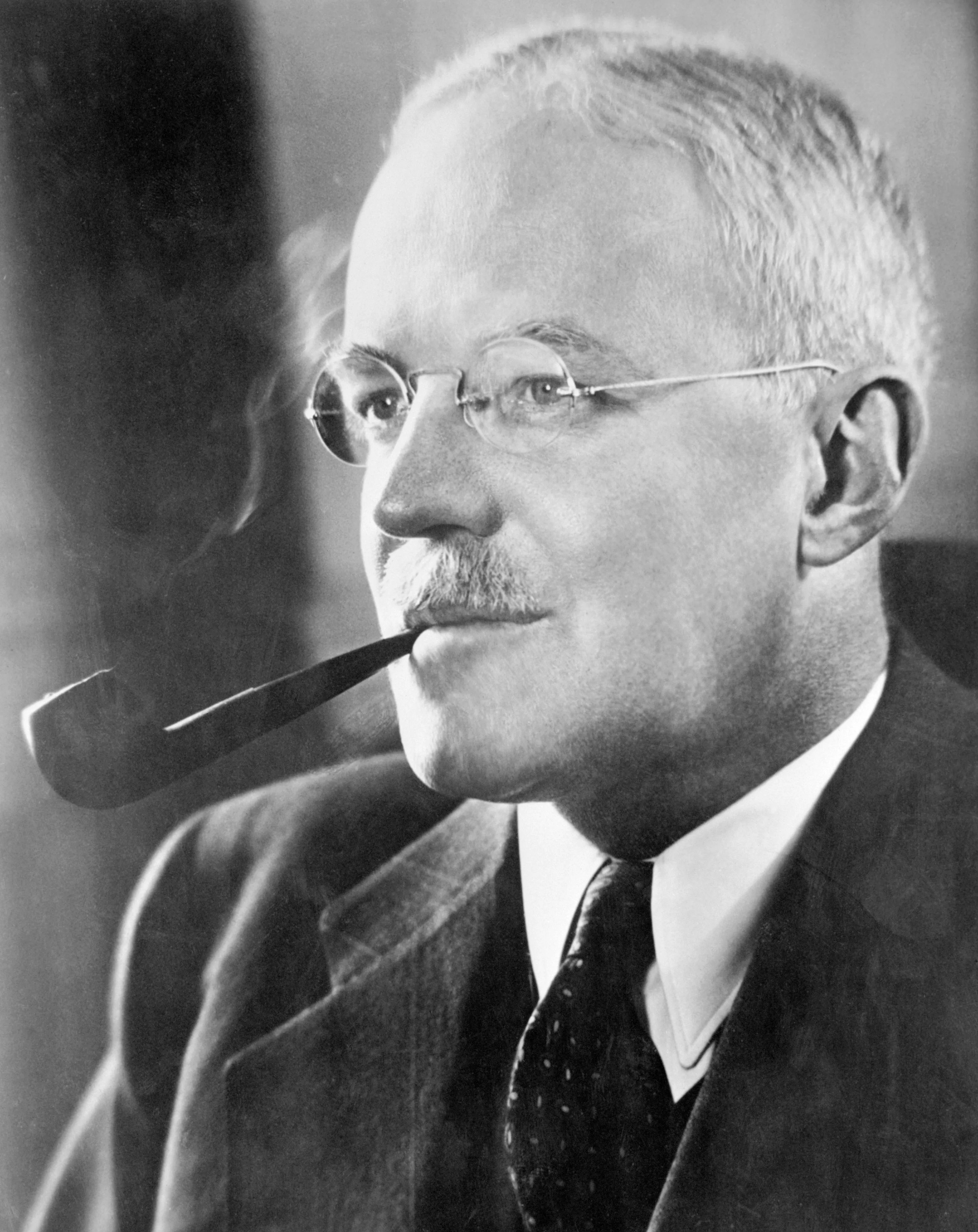
What followed has since been documented in extraordinary detail. In 1975, the Senate's Church Committee first confirmed that the CIA had explored assassinating Lumumba, including obtaining poison intended for the purpose. Decades later, in 2013, the State Department's own historians went further: a newly released volume of the Foreign Relations of the United States series — 582 documents and editorial notes in total — laid out the covert political program in Washington's own paper trail, material that earlier historians had never been permitted to see.
By September 1960, Lumumba had lost a power struggle with Joseph Mobutu, the head of the Congolese army. Lumumba was captured that December, transferred to the secessionist region of Katanga in January 1961, and killed within hours of his arrival there. The CIA's own planning for his assassination did not result in his death directly — he was killed by Katangese and Belgian actors — but the documentary record makes clear that his removal from power was, by design, a stated American objective months before it happened.
This is the first entry in Declassified's investigation into the Congo Crisis, 1960–1968 — an ongoing case file that will examine the Lumumba chronology, Mobutu's coup, Belgian involvement, the Katanga secession, UN intervention, Soviet involvement, the disputed assassination evidence, and the covert action that continued for years afterward. The full picture, as the record shows, resists a single villain: it is a story of Congolese political conflict, Belgian intervention, Cold War competition, and American covert action, all acting on each other at once.
Timeline
June 30, 1960
Congo gains independence
Patrice Lumumba becomes the Congo's first prime minister.
August 27, 1960
Dulles cable
CIA Director Allen Dulles cables that Lumumba's removal must be an "urgent and prime objective."
September 1960
Mobutu's coup
Lumumba loses a power struggle with army chief Joseph Mobutu.
December 1, 1960
Lumumba captured
Lumumba is recaptured by Mobutu's forces after a brief escape.
January 17, 1961
Lumumba killed
Lumumba is transferred to Katanga and killed within hours by Katangese and Belgian actors.
Primary sources
CIA Cable, Dulles to Léopoldville Station
Central Intelligence Agency
Cable in which Director Allen Dulles states that officials in "high quarters" agreed Lumumba's removal must be an "urgent and prime objective."
Alleged Assassination Plots Involving Foreign Leaders
U.S. Senate Select Committee to Study Governmental Operations (Church Committee)
1975 Senate report that first confirmed CIA planning around the assassination of Patrice Lumumba.
Foreign Relations of the United States, 1964–1968, Vol. XXIII, Congo, 1960–1968
U.S. Department of State, Office of the Historian
582 documents and editorial notes documenting U.S. covert action in the Congo, released after a nearly 20-year declassification review.