CASE FILE
TPAJAX: The Coup That Changed Iran
The documentary record of the 1953 overthrow of Mohammad Mosaddegh, from oil nationalization and British pressure to CIA planning, the failed first attempt, the collapse of the government, and the political order that followed.
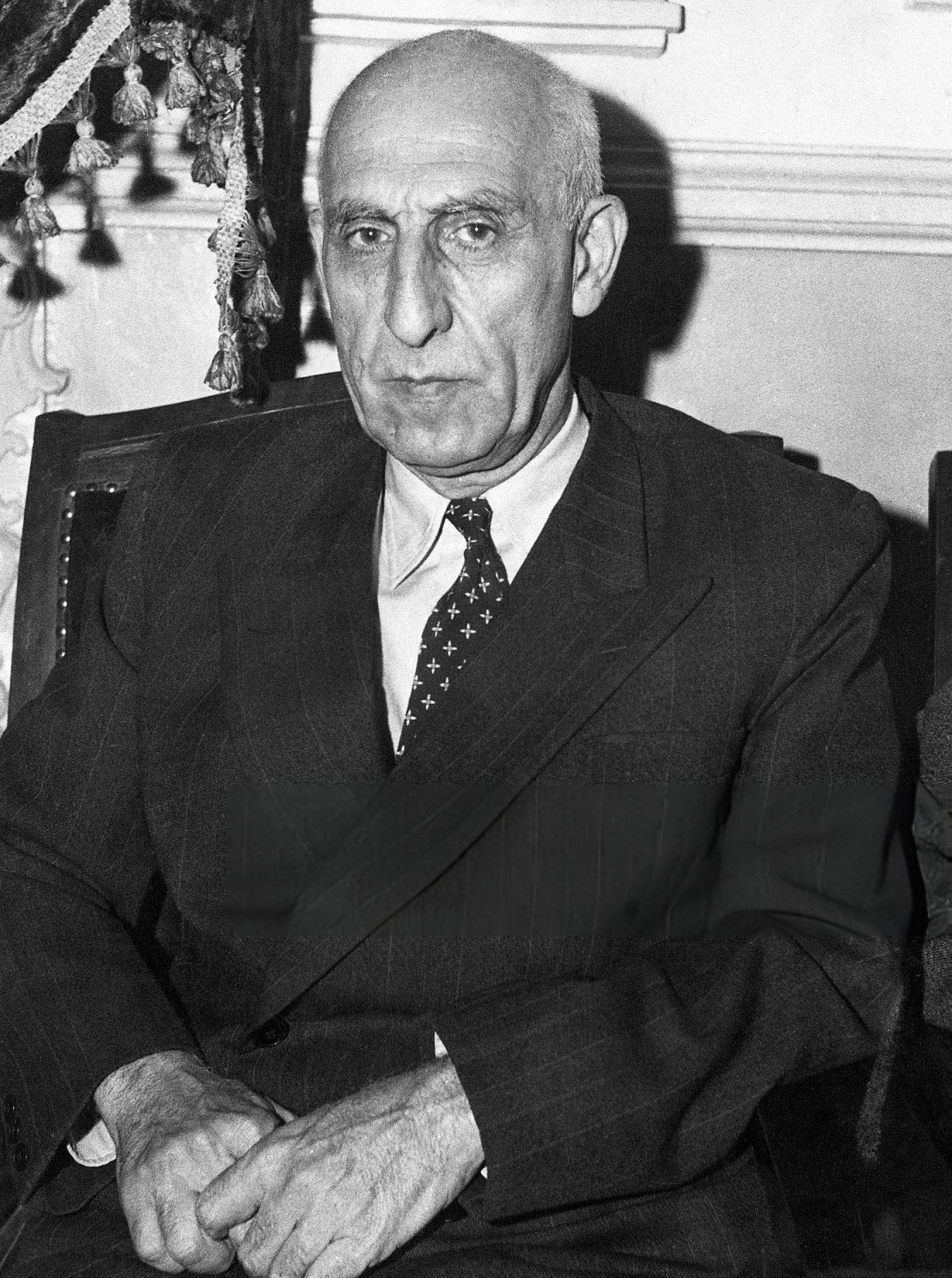
In August 1953, Iran’s government was overthrown after a covert operation involving the United States and Britain. The operation, known in the American record as TPAJAX, removed Prime Minister Mohammad Mosaddegh and helped restore Shah Mohammad Reza Pahlavi to effective political dominance. The surviving record is unusually extensive, and it shows a crisis that cannot be reduced to a single day in Tehran.
The conflict began with oil, sovereignty, parliamentary power, the monarchy, and the struggle over control of the Iranian state. Britain had dominated the Anglo-Iranian Oil Company and derived major economic and strategic value from Iranian petroleum. Mosaddegh and his National Front made national control of oil a central political demand. When the industry was nationalized in 1951, Britain responded with economic pressure and sought American cooperation in removing him.
Oil, Parliament, and Nationalization
Mosaddegh emerged from parliamentary politics and became prime minister through a political struggle involving the Shah, the Majlis, and the National Front. His government faced opposition from royalists, conservative politicians, sections of the military, religious figures, and competing nationalists. At the same time, Iran faced an escalating economic crisis after Britain organized an international boycott of Iranian oil.
British officials explored removing Mosaddegh before the Eisenhower administration committed to TPAJAX. Later-declassified material shows British officials approached the Truman administration in late 1952 about a coup. Washington initially hesitated, partly because it still hoped to reach an oil settlement with Mosaddegh. By 1953 the calculation had changed.
Washington Changes Course
The Eisenhower administration entered office in January 1953 with a stronger emphasis on Cold War containment. American officials were concerned about the Tudeh Party and the possibility that prolonged instability could create an opening for Soviet influence. Those concerns were genuine policy considerations. They existed alongside British pressure over oil and the wider strategic importance Washington attached to Iran.
The State Department’s documentary edition divides the American record into four stages: efforts to understand Mosaddegh, the July 1952 crisis, planning and implementation of TPAJAX from March through August 1953, and the aftermath through December 1954. The second edition contains 375 documents. This makes clear that the coup was the culmination of a political process rather than an isolated intelligence event.
Building TPAJAX
CIA officer Kermit Roosevelt Jr. became the field officer associated with the operation. Planning involved the Shah, Iranian military officers, political intermediaries, propaganda networks, and street mobilization. The objective was to remove Mosaddegh and install General Fazlollah Zahedi as prime minister. The operation depended on creating enough political and military momentum to overcome Mosaddegh’s control of the state.
There is an important documentary qualification about authorization. Roosevelt later described a June 25 meeting at which senior American officials approved the operation, but the State Department historians note that no official record of that meeting has been found. A CIA chronology indicates that State Department and British Foreign Office authorization came on July 11 and records that the CIA director obtained presidential approval that day. No written presidential authorization has been found. The distinction between what participants later recalled and what survives in the archive is significant.
The First Attempt Fails
On the night of August 15–16, Shah-issued decrees were intended to dismiss Mosaddegh and appoint Zahedi. Colonel Nematollah Nassiri attempted to deliver the decree, but forces loyal to Mosaddegh arrested him. The operation appeared to have failed. The Shah left Iran, first going to Baghdad and then Rome.
A State Department cable from August 16 records the uncertainty in Tehran. The embassy reported that the city appeared calm while rumors circulated that the alleged coup had been inspired by Mosaddegh’s government. This contemporary cable is valuable because it captures uncertainty during the failed operation rather than relying on the simplified story that emerged afterward.
August 19
The situation changed on August 19. Pro-Shah crowds appeared in Tehran while political networks mobilized. Iranian military units moved into the streets. Control of radio facilities became strategically important. Mosaddegh’s government lost control of the capital as military forces confronted supporters of the prime minister.
Later CIA accounts describe Roosevelt improvising after the failed first attempt and working through Iranian assets to rebuild the operation. The record shows that the CIA cultivated political and propaganda assets and sought to generate demonstrations supporting the Shah. It does not follow that every person in the streets was a CIA operative or that every anti-Mosaddegh grievance was manufactured externally.
By the afternoon of August 19, military forces had defeated the remaining defenders of Mosaddegh’s government. The prime minister went into hiding and surrendered shortly afterward. Zahedi became prime minister. The Shah returned to Iran on August 22.
What Washington Later Recorded
The later record leaves little doubt about the central American role. In an October 1953 diary entry, President Dwight Eisenhower explicitly referred to the United States role in restoring the Shah and removing Mosaddegh. He described the operation as covert and praised Roosevelt’s work after the first attempt failed.
That diary entry matters because it comes from the president himself and is preserved in the Eisenhower Library. It does not answer every question about the operation, but it is strong evidence of how the administration itself understood its role.
The Shah’s New Position
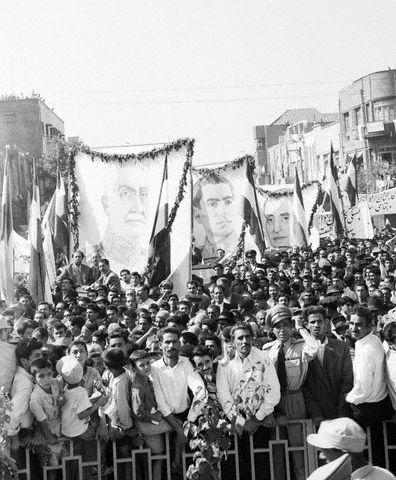
The coup transformed the balance of power inside Iran. Mosaddegh was tried and imprisoned. The Shah returned with a substantially strengthened position, and political authority became increasingly centralized around the monarchy. The post-coup state developed a stronger security apparatus, including SAVAK, while political opposition faced tighter restrictions.
The oil dispute also changed. A new international consortium arrangement was established in 1954, replacing the previous Anglo-Iranian Oil Company structure. British and American oil interests regained access to Iranian production under a new distribution system. The political and economic consequences of the coup therefore reinforced each other.
The Longer Chain
The 1953 intervention did not create every later conflict in Iran. The country already contained deep divisions involving the monarchy, parliament, nationalists, communists, military institutions, religious networks, landowners, and competing visions of sovereignty. The intervention nevertheless altered the institutional balance among those forces.
The relationship between the coup and the 1979 Iranian Revolution is therefore a question of historical causation rather than a one-step explanation. The coup helped produce the political order that followed, but the revolution also reflected economic transformation, religious mobilization, opposition to authoritarian rule, social change, and developments during the 1960s and 1970s.
What the Documents Establish
The documentary record establishes that British and American officials planned for Mosaddegh’s removal, that the CIA organized and supported TPAJAX, that Iranian political and military actors participated, that the first attempt failed on August 15–16, and that the second phase succeeded on August 19. It also establishes that the United States subsequently regarded the restoration of the Shah and removal of Mosaddegh as an outcome it had helped bring about.
What Remains Contested
The exact weight of oil interests compared with Cold War concerns remains debated. The scale of the Tudeh threat and the extent to which Mosaddegh represented an imminent communist danger were matters of intelligence assessment and political judgment. The precise chain of authorization also contains documentary gaps, especially around meetings described retrospectively by participants.
There is also a danger in describing August 1953 as either entirely foreign-made or entirely domestic. The archive supports neither extreme. Britain and the United States supplied planning, money, intelligence, propaganda, political contacts, and operational direction. Iranian actors supplied military units, political organizations, religious networks, street mobilization, and local conflicts that gave the intervention its setting and ultimately its force.
The Archive
The Iran file is one of the strongest examples of why declassified records matter. The State Department’s 2017 documentary edition and its 2018 second edition provide hundreds of records covering the crisis before the coup, operational planning, implementation, and aftermath. CIA historical material and the National Security Archive add further records and retrospective documentation.
Declassified’s investigation begins with the documents and follows the chain outward: from oil nationalization to British pressure, from Washington’s changing calculations to TPAJAX, from the failed first attempt to the collapse of Mosaddegh’s government, and from the restored Shah to the political order that eventually faced another revolution. The central historical question is not simply who overthrew Mosaddegh. It is how foreign intervention and Iranian political conflict interacted to change the country’s trajectory.
Timeline
1951
Oil nationalized
Mosaddegh’s government nationalizes the Anglo-Iranian Oil Company.
July 1952
Political crisis
A major confrontation reshapes the balance among Mosaddegh, the Shah, parliament, and competing political forces.
Late 1952
Britain seeks American cooperation
Later-declassified records document British approaches to the Truman administration.
January 1953
Eisenhower takes office
Washington’s assessment of Iran increasingly emphasizes Cold War risks and communist influence.
June–July 1953
TPAJAX prepared
CIA planning expands around the Shah, Zahedi, Iranian officers, political networks, and propaganda.
August 15–16, 1953
First attempt fails
The Shah’s decrees fail to remove Mosaddegh and the Shah leaves Iran.
August 19, 1953
Government collapses
Pro-Shah mobilization and military intervention overwhelm Mosaddegh’s government.
August 22, 1953
The Shah returns
Mohammad Reza Pahlavi returns to Iran.
October 8, 1953
Eisenhower records U.S. role
The president’s diary explicitly describes American help in restoring the Shah and removing Mosaddegh.
1954
New oil settlement
A new international consortium structure replaces the former Anglo-Iranian Oil Company arrangement.
Primary sources
Foreign Relations of the United States, 1952–1954, Iran, 1951–1954
U.S. Department of State, Office of the Historian
375 documents covering U.S. efforts to understand Mosaddegh, the July 1952 crisis, TPAJAX planning and implementation, and the aftermath.
Foreign Relations of the United States, 1952–1954, Iran, 1951–1954, Second Edition
U.S. Department of State, Office of the Historian
Expanded documentary edition covering planning and implementation of Operation TPAJAX.
Editorial Note on TPAJAX authorization
U.S. Department of State, Office of the Historian
Examines Roosevelt’s retrospective account of senior-level approval against the surviving archival record.
Telegram from the Embassy in Iran to the Department of State, August 16, 1953
U.S. Embassy Tehran
Contemporary reporting on the failed first attempt, the Shah’s decrees, arrests, and conditions in Tehran.
President Eisenhower diary entry, October 8, 1953
Eisenhower Presidential Library
Eisenhower records the U.S. role in restoring the Shah and removing Mosaddegh.
British Foreign Office, Political Review of the Recent Crisis
British Foreign Office / National Security Archive
British retrospective memorandum on the crisis surrounding Mosaddegh’s overthrow.
New U.S. Documents Confirm British Approached U.S. in Late 1952 About Ousting Mosaddeq
National Security Archive
Documents showing British approaches to the Truman administration concerning removal of Mosaddegh.
CIA and TPAJAX historical record
Central Intelligence Agency
CIA historical material describing the August 1953 operation and its failed and successful phases.